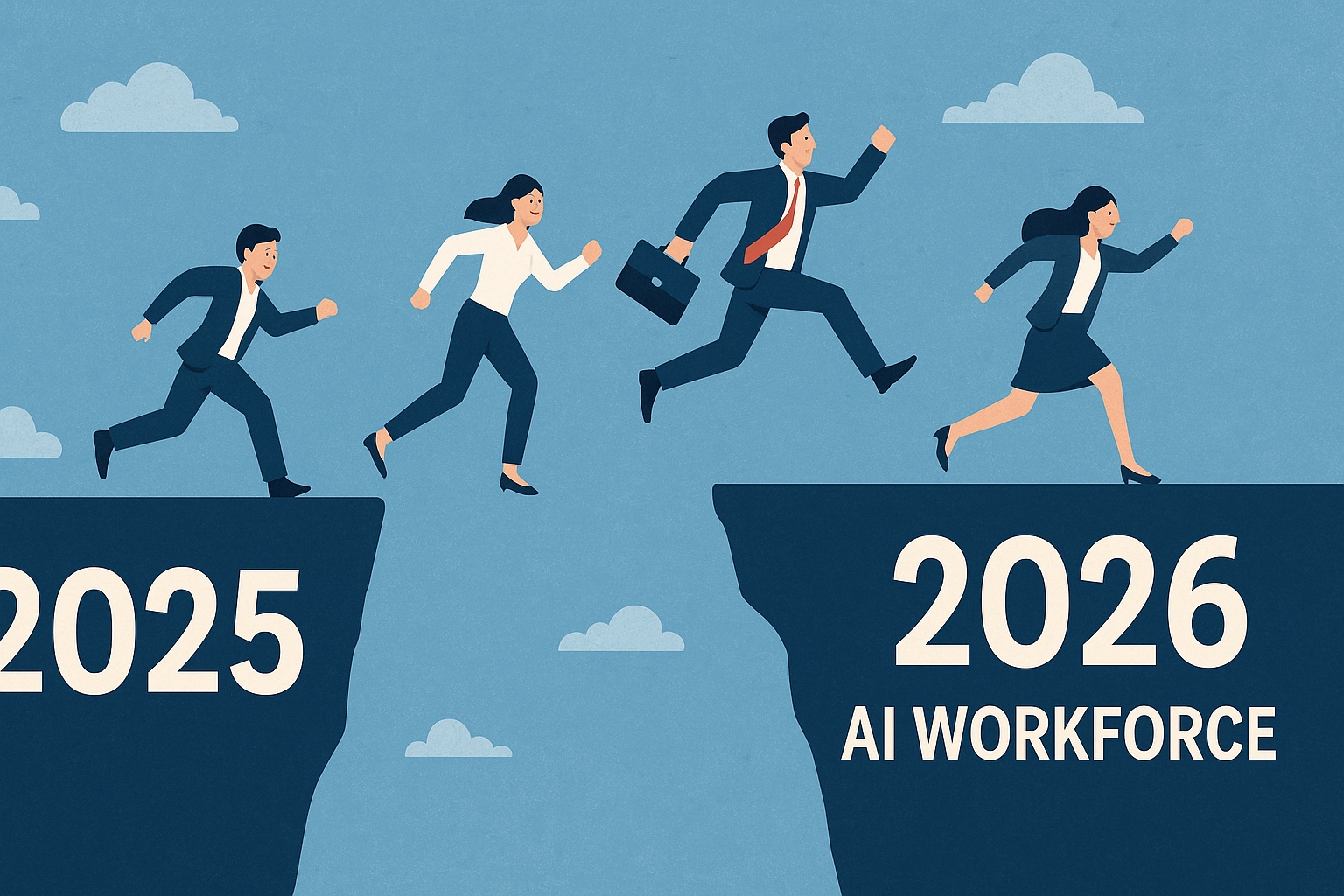
AI jobs in India 2026 are rising quickly as India’s AI talent gap continues to grow. The AI revolution is changing how Indian companies work. Many organisations are shifting from manual processes to automation, digital workflows, and AI-assisted tools. Recent industry reports suggest India may need up to one million AI-skilled professionals by 2026, and companies are already struggling to find qualified candidates.
This gap creates a huge opportunity for job-seekers in India. It is also a warning for those in traditional roles. AI jobs in India 2026 are projected to grow faster than traditional IT roles.
This article focuses on India’s workforce trends, hiring patterns, and future skills based on current industry observations. If you want to stay relevant, now is the right time to act.
AI jobs in India 2026 are expected to grow as companies adopt automation and generative AI tools.
How Big Is India’s AI Talent Gap
According to a Times of India report, the demand for AI professionals in India is projected to reach one million by 2026.
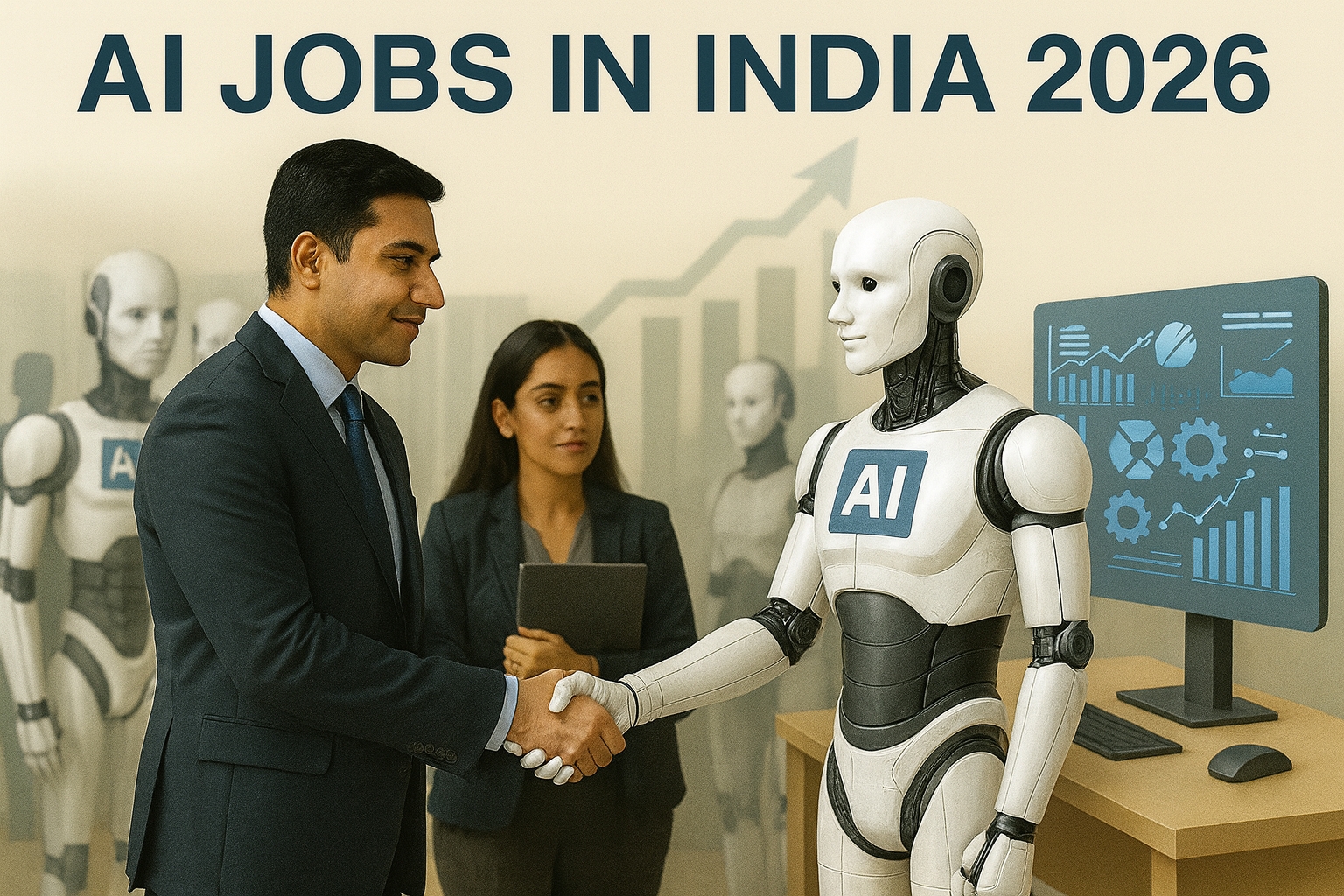
Several developments are pushing demand higher:
- AI adoption in IT, healthcare, finance, and retail
- Digital transformation across enterprises
- Increased use of chatbots and automation
- Growth of Global Capability Centers in Indian metro cities
The supply of skilled workers is not growing fast enough. This shortage is creating higher salaries and faster promotions for those who upskill.
This shortage clearly shows how serious India’s AI talent gap has become.
What This Means for Your Job in India
The talent gap creates two outcomes.
Opportunities in roles that work alongside AI
Some examples include:
- Prompt specialists
- AI quality reviewers
- AI compliance support
- Data annotation analysts
- Customer support using AI tools
Many of these roles do not require deep coding.
Pressure in routine jobs
Roles with repetitive tasks are at risk. These include:
- Basic customer support
- Data entry
- Routine administrative work
- Manual transcription or documentation
AI tools can handle these tasks faster and at lower cost. If you work in these areas, consider building new skills soon.
(Here you can link to your job risk calculator and individual job pages.)
Industries Hiring AI Talent in India
These sectors are creating thousands of new AI jobs in India 2026 due to digital transformation:
- IT Services: AI platforms and cloud automation
- Banking and Insurance: Fraud detection and risk analytics
- Healthcare: Medical data analysis and digital records
- Retail and E-commerce: Personalised shopping engines
- Manufacturing: Predictive maintenance and smart machines
If you want career growth, these industries offer long-term potential.
Top Skills Employers Want in the AI Age

Add these skills to your toolkit:
- AI Literacy
Understand how AI tools work, limitations, and use cases. - Prompt Writing
Know how to ask effective questions to get better AI output. - Data Interpretation
You do not need coding. You only need the ability to draw insights from charts and trends. - Communication
AI cannot replace trust, empathy, and negotiation. - AI Governance and Ethics
Companies must follow rules and safety policies. This field is growing fast.
Why These Skills Matter in the Indian Job Market
More Indian companies are adopting Gen-AI to reduce repetitive work. This means there is a strong need for people who can guide AI, check AI’s work, and apply human judgement. These jobs are difficult to automate.
A national news report highlights this growing shortage.
Many recruiters believe AI jobs in India 2026 will offer higher salaries and faster career growth.
How to Start Working With AI in 5 Simple Steps
- Learn to use the most common AI tools.
- Practice prompt writing every day.
- Use AI to automate small tasks at your current job.
- Build a small portfolio with real examples.
- Add your AI skills to your resume and LinkedIn profile.
Small improvements create big results.
If You Work in a Traditional Role, Do Not Panic
You only need to shift slightly. For example:
- Become the person who uses AI tools for your team
- Learn to interpret data, not only process it
- Guide AI output using your domain expertise
AI replaces tasks, not motivated workers.
Simple Ways Non-Technical Professionals Can Begin
Try one of these ideas:
- Learn AI documentation tools
- Use AI tools for content planning
- Learn basic data visualisation
- Experiment with automation workflows
You can do this alongside your current job.
Degree vs Skills in the AI Hiring Era
Many Indian employers are moving from:
- College name
- Exam marks
To:
- Skills proven in projects
- Tool experience
- Domain understanding
Portfolios speak louder than paper degrees.
Future-Proof Careers Emerging From the AI Shift
Good examples include:
- Data analysts (non-coding paths exist)
- Automation oversight specialists
- AI product support roles
- Compliance and safety associates
- Digital transformation coordinators
These roles will help reduce India’s AI talent gap over the next few years as they combine technology with human judgement.
Building these skills today will help you compete for AI jobs in India 2026 and beyond.
If you want to explore career options that are safer, see our list of top future-proof careers in the age of AI.
What Should You Do Next
If you want to know how safe your current job is, check your career risk score using our AI Job Risk Calculator. It takes less than ten seconds.
Try our AI Job Risk Calculator to see how safe your career is from automation.
Those who start learning AI tools now will be better prepared for AI jobs in India 2026 as demand increases.
Conclusion
India’s AI talent gap is growing quickly. Professionals who learn the right tools and develop strong soft skills will grow faster and stay relevant. Those who ignore this shift may face competition from automation.
As AI jobs in India 2026 expand, professionals who learn the right tools will stay ahead.
You do not need to be technical to benefit. The best approach is to combine domain expertise with AI literacy.
Start now. Your future self will thank you.
FAQs
Not always. Many AI-assisted roles focus on prompts, data interpretation, review, and coordination. Coding can help, but it is not mandatory.
Q2. How long does it take to learn basic AI skills?
Most beginners can learn the basics within six to twelve weeks using online courses and practice projects.
Q3. Which jobs in India are least likely to be replaced by AI?
Roles involving empathy, negotiation, trust, teaching, leadership, and strategic decision-making stay more secure.
Q4. Are AI jobs better paid?
Yes. Companies often offer higher salaries because skilled workers are limited. Even beginners can see faster growth once they develop real-world capability.